Water Damage Restoration in Behrens Ranch, TX
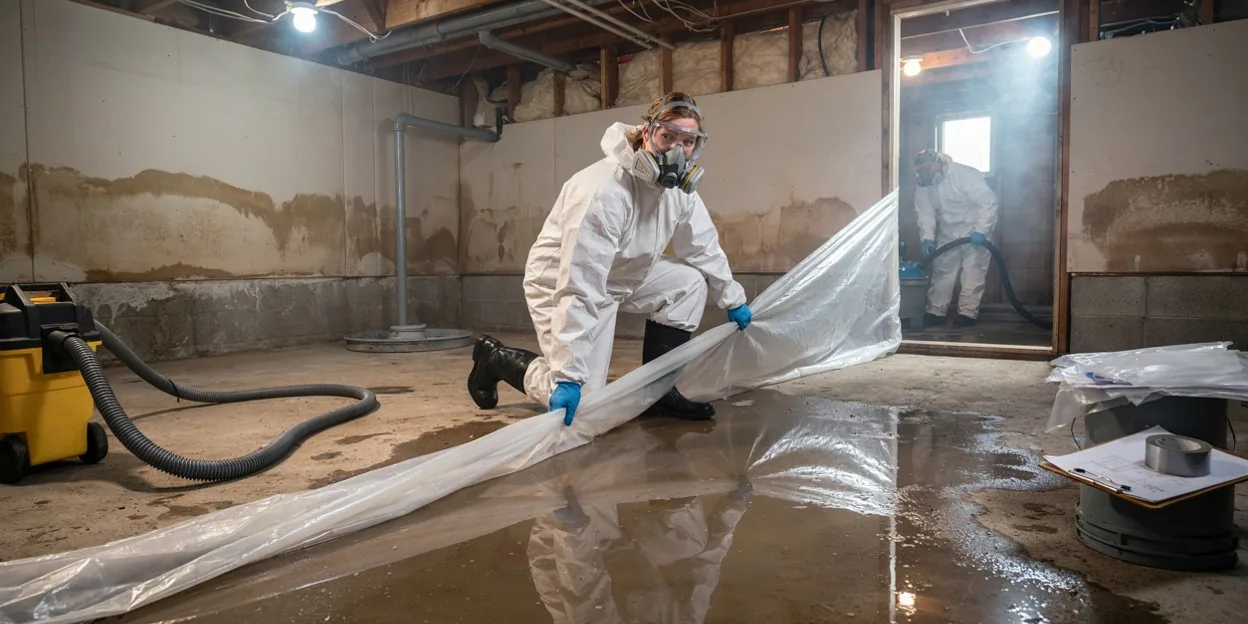
Behrens Ranch is the master-planned neighborhood in northwest Round Rock, off Sam Bass Road and Wyoming Springs Drive, built from the early 2000s to its 2014 build-out by Lennar, Meritage, Newmark, Scott Felder, Standard Pacific, and a few local builders. The houses run from about 2,100 to 5,000 square feet, most of them two stories, on slabs over the limestone of the west side of town. The HOA runs a clubhouse, a pool, tennis courts, and the trails, and it has rules about what sits in the driveway and for how long.
Because the neighborhood is on the limestone side, the slabs move less than they do east of I-35, and slab leaks are less common here than in Forest Creek or Chandler Creek. What Behrens Ranch has instead is height: attic water heaters, attic air handlers, and upstairs baths over living rooms, in houses now old enough for the first round of failures.
This site routes Behrens Ranch homeowners to an independent local water damage provider by phone. The provider walks the house before writing anything down.
Behrens Ranch water damage comes from above, not below
An attic line that froze and split in February 2021 or the December 2022 freeze dropped water through the upstairs ceiling first, and burst pipe water damage work starts in the attic. A drain pan under a fifteen-year-old attic tank that finally overflowed is water heater leak cleanup. A brown ring on the ceiling under the air handler after a long summer is a ceiling water damage repair call.
Sam Bass Road, the HOA gate, and the city permit
Behrens Ranch is inside the Round Rock city limits, so rebuild permits go through the city's Building Inspection Division and the city utility can shut a meter at the curb. The Brushy Creek MUD water plant sits a short way down Sam Bass Road, but Behrens Ranch itself is on city water. Tell the crew what the HOA allows for dumpsters and trailers before the truck arrives.
Call (512) 562-9101 and tell us what you found. We route the call to a local water damage provider serving Behrens Ranch.
Services Available in Behrens Ranch
Water Extraction
Standing water pumped off slab floors, tile, and carpet in a Round Rock home, then the first meter readings to see where it spread.
Structural Drying
Air movers and dehumidifiers run against Central Texas humidity until drywall, cabinets, and subfloor hit their dry target.
Leak Detection
A warm spot on the floor, a spinning meter, or a soft wall traced to a slab line or a wall pipe before anyone breaks concrete.
Burst Pipe Water Damage
Rooms, ceilings, and floors soaked when an attic or exterior wall line split in a freeze, pumped out and dried once the valve is off.
Flash Flood Cleanup
Muddy creek water and street runoff pulled out of a garage or ground floor, contaminated materials removed, and the house dried.
Water Heater Leak Cleanup
A tank that let go in a garage, hall closet, or attic and the drywall, flooring, and ceiling it soaked on the way down.
Ceiling Water Damage Repair
A stained, sagging, or dripping ceiling under an attic air handler, an upstairs bath, or a drain pan, dried and opened only where wet.
Roof Leak Water Damage
Wet attic insulation, ceilings, and walls dried out after hail, a spring storm, or the 2022 tornado season found a way through the roof.