Water Damage Restoration in Sun City, TX
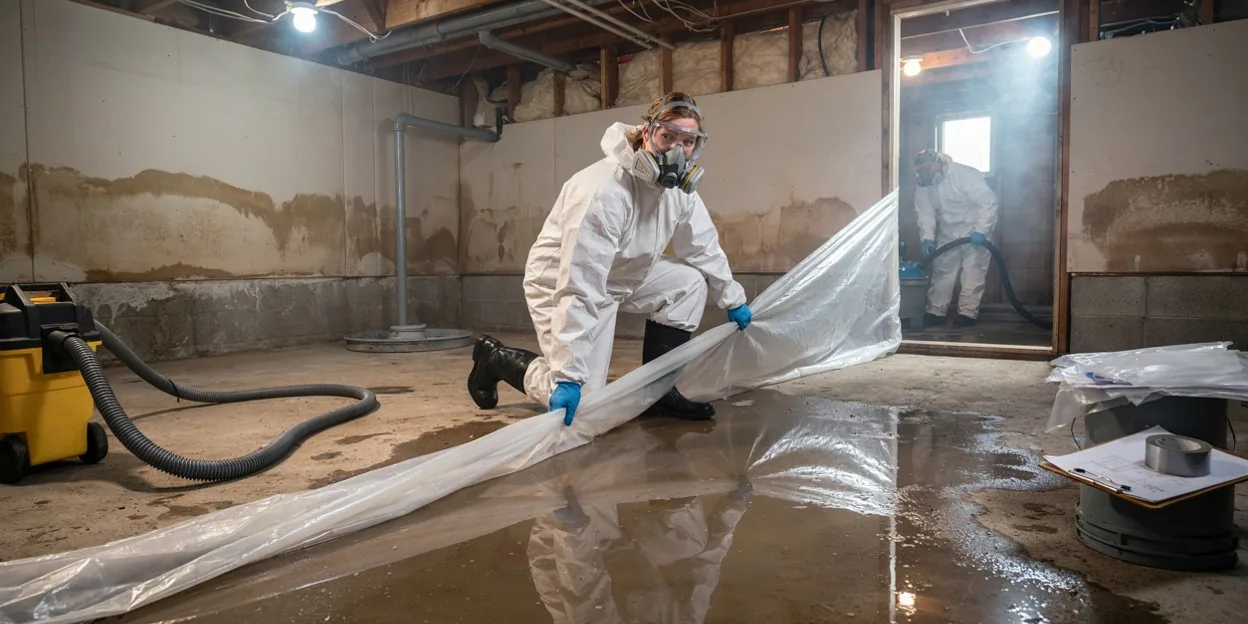
Sun City Texas opened in 1995 on the northwest side of Georgetown as an age-restricted community, and it has grown into about 15,700 residents in more than 9,000 single-story homes around three golf courses, with its own community association and a full set of HOA rules. It is the largest neighborhood of its kind in the state, and it changed Georgetown from a college town into a city that adds thousands of residents a year.
Every house here is a slab home, mostly built between 1995 and 2015, on limestone above the North San Gabriel River and Lake Georgetown. The earliest sections are now thirty years old, which means the original water heaters are long gone and the original supply fittings under the first slabs are at the age where they fail. Many residents travel or spend summers elsewhere, and a leak in an empty house runs until a neighbor notices.
This site routes Sun City homeowners to an independent local water damage provider by phone. The provider inspects the house before anything is decided.
Sun City water damage in a house that sat empty for a month
A supply fitting that let go behind a wall while the owners were away is a leak detection call first, because the source is often not obvious once the water has spread. A slab that stayed wet under the tile for weeks is structural drying work, and it runs longer than a fresh loss. A water heater in the garage that failed at twenty years is water heater leak cleanup.
The community association and the Georgetown permit desk
The Sun City Texas Community Association sets the rules for contractor access, dumpsters, and work hours inside the gates, so tell the crew what the association requires before the truck arrives. Sun City is inside the Georgetown city limits, so rebuild permits go through the city, and the city utility can shut a meter at the curb.
Call (512) 562-9101 and tell us what you found. We route the call to a local water damage provider serving Sun City.
Services Available in Sun City
Water Extraction
Standing water pumped off slab floors, tile, and carpet in a Round Rock home, then the first meter readings to see where it spread.
Structural Drying
Air movers and dehumidifiers run against Central Texas humidity until drywall, cabinets, and subfloor hit their dry target.
Leak Detection
A warm spot on the floor, a spinning meter, or a soft wall traced to a slab line or a wall pipe before anyone breaks concrete.
Burst Pipe Water Damage
Rooms, ceilings, and floors soaked when an attic or exterior wall line split in a freeze, pumped out and dried once the valve is off.
Flash Flood Cleanup
Muddy creek water and street runoff pulled out of a garage or ground floor, contaminated materials removed, and the house dried.
Water Heater Leak Cleanup
A tank that let go in a garage, hall closet, or attic and the drywall, flooring, and ceiling it soaked on the way down.
Ceiling Water Damage Repair
A stained, sagging, or dripping ceiling under an attic air handler, an upstairs bath, or a drain pan, dried and opened only where wet.
Roof Leak Water Damage
Wet attic insulation, ceilings, and walls dried out after hail, a spring storm, or the 2022 tornado season found a way through the roof.